
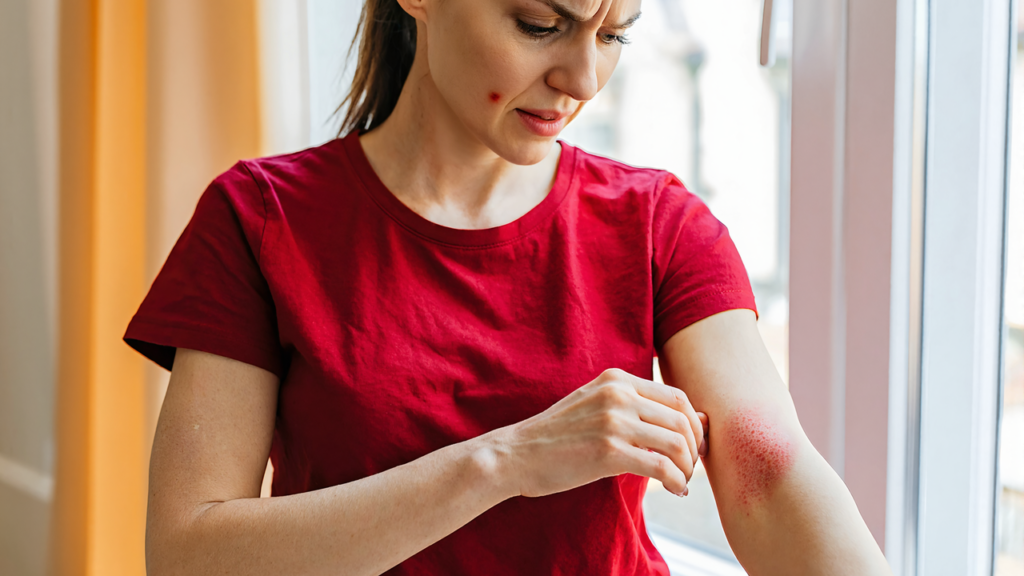
Wondering when to see a doctor with poison ivy? Most poison ivy rashes clear up on their own in one to three weeks with simple home care. Get checked by a provider when the rash spreads across a big area, reaches your face, eyes, or genitals, shows signs of infection like pus or spreading redness, or simply isn’t getting better after a week or two. Call 911 right away for trouble breathing or swelling, which can signal a severe reaction.
Around the Northshore, from the trails near Covington to the horse country up in Folsom, this plant turns up just about everywhere, and it stays active well into fall. So knowing when a rash is a “wait it out at home” problem versus a “get it looked at” problem saves you a lot of misery. The table below sorts it into three buckets, then we get into the why.
When should you see a doctor with poison ivy?
See a doctor when the rash is severe, widespread, on a sensitive area, or looks infected. A patch of itchy blisters on your forearm usually clears with home care. But poison ivy on the face or near the eyes can cause swelling that needs prescription treatment, and a rash covering a big chunk of your body is hard to control with drugstore products alone.
Watch for these red flags and get evaluated:
- The rash reaches your eyes, mouth, or genitals
- It covers a large area or keeps popping up in new spots after several days
- Signs of a skin infection: increasing pain, warmth, pus or oozing, or a fever
- The itching is so intense you can’t sleep or function
- It hasn’t started improving after about one to two weeks of home care
One thing to take seriously: if you breathe in smoke from burning brush that contains poison ivy, the irritant can reach your lungs. The CDC’s workplace-safety group (NIOSH) warns that inhaling smoke from burning these plants can cause severe allergic respiratory problems. If you or someone with you has trouble breathing or swelling of the face or throat, that’s a medical emergency. Call 911.
What actually causes a poison ivy rash?
The rash comes from urushiol, an oily sap found in the roots, stems, leaves, and berries of poison ivy, oak, and sumac. According to MedlinePlus, the sap causes a blistering skin rash once it touches your skin. Just brushing against a broken leaf is enough to pick it up.
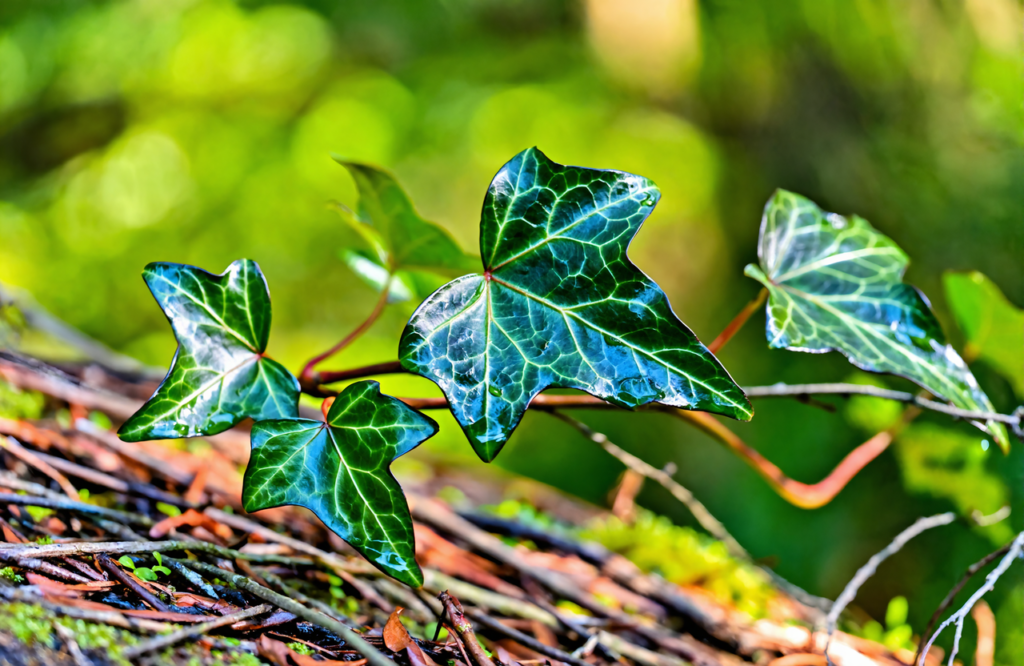
You can also get it without touching a plant directly. Urushiol clings to garden tools, clothing, shoes, and pet fur, so petting a dog that ran through a patch, or pulling on the same gloves from last weekend, can trigger a fresh rash. All three plants grow across St. Tammany Parish. Poison ivy and poison oak both follow the classic “leaves of three” shape, while poison sumac looks different, with rows of paired leaflets along a stem, so it helps to know both.
How long does poison ivy last?
A poison ivy rash usually lasts one to three weeks. It often takes up to two or three weeks for the skin to fully heal, even once the itching eases. On a first-ever exposure, the rash can take one to three weeks to even show up. If you’ve had it before, it tends to appear much faster, often within a day or two of contact.
Because different areas of skin absorb the sap at different rates, the rash can look like it’s “spreading” for several days. That’s normal and doesn’t mean it’s getting worse or contagious.
Is poison ivy contagious, and can it spread on your body?
No, poison ivy isn’t contagious. You can’t catch it from another person, and you can’t give it to someone else. The FDA is clear that these rashes can’t be spread from person to person. The fluid inside the blisters doesn’t contain urushiol, so a broken blister won’t start new patches or pass it to anyone.
When a rash seems to spread, it’s usually because some skin reacted more slowly than others, or because you touched something that still had the oil on it, like a jacket sleeve or a phone case. Wash anything that may have made contact, and the “spreading” stops.
How do you treat poison ivy at home?
Start by rinsing the oil off fast, then focus on calming the itch. The sooner you wash, the less severe the reaction tends to be. Here’s the order that works:
- Rinse your skin with soap and plenty of cool running water right after contact, ideally within the hour.
- Wash any clothes, shoes, and gear that touched the plant, since the oil lingers on fabric.
- Apply a cool, wet compress to itchy areas for relief.
- Use calamine lotion or an over-the-counter hydrocortisone cream on the rash.
- Try a colloidal oatmeal bath to soothe widespread itching.
- Take an oral antihistamine to help with the itch, especially at night.
- Try hard not to scratch, and don’t pop the blisters.
One tip that trips people up: skip the topical antihistamine creams. They can actually make the reaction worse for some people. Oral antihistamines are the safer choice for calming the itch. If a week or two of this routine isn’t cutting it, that’s your cue to get it evaluated.
Where you’re most likely to run into it on the Northshore
Poison ivy loves the warm, humid, green edges we have all over St. Tammany and Tangipahoa. It thrives along wood lines, fences, and shady banks, and it’s still going strong in late summer and early fall. Across Louisiana yards and woodlands, it’s one of the most common and persistent plants you’ll run into.
Around here, the usual spots include the wooded stretches of the Tammany Trace, the trails at Fontainebleau State Park in Mandeville, the banks of the Bogue Falaya and Abita rivers, the Northlake Nature Center, Bogue Chitto State Park by Franklinton, and the fence lines and pastures out in Folsom’s horse country. Yard work along a back fence in Covington counts too. If you spend time in any of these, a quick wash-down after you’re done goes a long way.
How Total Health Urgent Care can help
If a poison ivy rash crosses into “see a provider” territory, you don’t need an appointment with us. Total Health Urgent Care is a walk-in clinic in Covington, and rash evaluation is one of the services we offer: we examine the rash, prescribe medication if it’s needed, and re-evaluate or refer you if it isn’t clearing the way it should.
A few things that make a weekend flare easier to handle: our doors are open every day, 7 a.m. to 7 p.m., so a Saturday flare-up doesn’t have to sit untreated into the work week. There’s an on-site lab on hand if a spot looks infected and needs a closer look. And our self-pay pricing is transparent, with a $130 office visit, so you know the cost up front. Our founding nurse practitioner brings more than twenty-five years of experience in emergency and urgent care medicine.
Not sure whether to come in? Take a look at our urgent care services in Covington, browse the full list of what we treat, or get in touch with our team. For anything involving trouble breathing, throat or facial swelling, or a severe whole-body reaction, don’t wait on us. Call 911.
Head to urgent care if the rash is widespread, sits on your face or genitals, shows infection signs like pus or increasing pain, or isn’t improving after one to two weeks of home care. A walk-in clinic can evaluate it and prescribe medication if you need it. For trouble breathing or facial swelling, call 911 instead.
A poison ivy rash usually lasts one to three weeks, and it can take up to three weeks for the skin to fully heal. On a first exposure the rash may take one to three weeks to appear, while repeat exposures often show up within a day or two.
No. Poison ivy can’t be spread from person to person, and the fluid in the blisters doesn’t contain the urushiol oil that causes the rash. A rash that looks like it’s spreading is usually skin reacting at different rates or new contact with the oil on clothing or objects.
Rinse the oil off using soap and plenty of cool water as fast as you can, then calm the itch with cool compresses, calamine lotion or hydrocortisone cream, a colloidal oatmeal bath, and an oral antihistamine. There’s no instant cure, but severe or spreading cases may need prescription treatment from a provider.
Most cases are just miserable and itchy, not dangerous. But a rash near the eyes, a widespread reaction, or an infected rash needs medical care. Breathing in smoke from burning poison ivy can cause a serious reaction, so trouble breathing or swelling is a 911 emergency.
No. Total Health Urgent Care is a walk-in clinic in Covington, open seven days a week from 7 a.m. to 7 p.m. You can come in without an appointment to have a poison ivy or other rash evaluated.
This article was prepared by the Total Health Urgent Care team; founded by Jennifer Duncan, APRN, MSN, FNP-C. It’s general health information, not a substitute for a medical evaluation. For a medical emergency, call 911. Sources: U.S. Food and Drug Administration consumer update and MedlinePlus.