
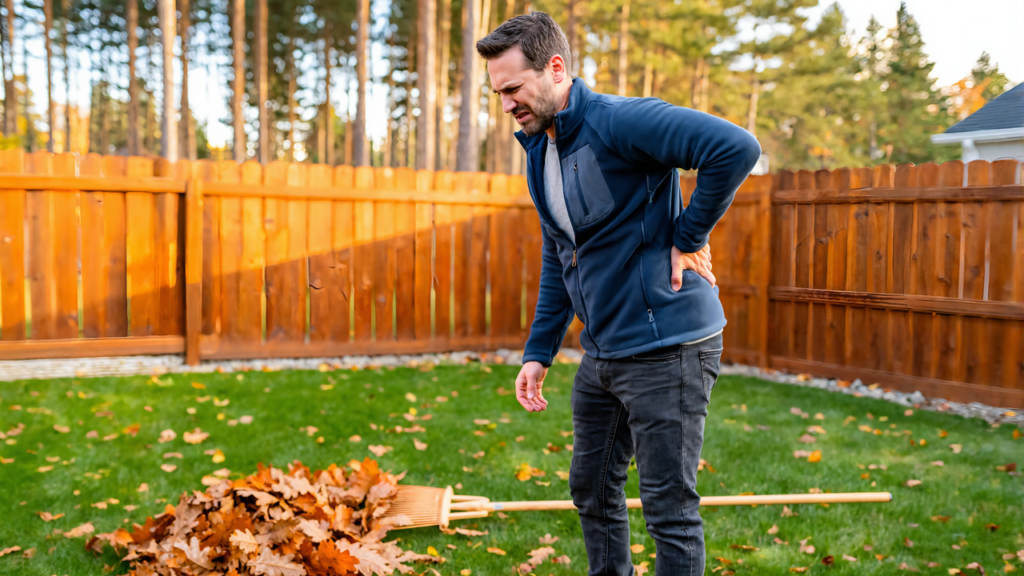
Sprain vs strain: which one did you just do? It comes down to the tissue that got hurt. The MedlinePlus Sprains and Strains page defines a sprain as a stretched or torn ligament and a strain as “a stretched or torn muscle or tendon.” Ligaments connect bones at a joint, and tendons connect muscle to bone, per that same page. Sprains and strains are both on the treatment list at our Covington, LA clinic, where on-site x-rays are available and a twisted ankle or pulled back can be seen any day between 7 AM and 7 PM.
Sprain vs strain, the short version
- Sprain: a ligament injury. The AAOS OrthoInfo Sprains, Strains and Other Soft-Tissue Injuries page names the ankles, knees, and wrists as the areas most vulnerable to sprains.
- Strain: a muscle or tendon injury, and the MedlinePlus Strains page says it’s also called a pulled muscle.
- First aid: the AAOS soft-tissue injuries page recommends the same rest, ice, compression and elevation routine for a strain as for a sprain.
- Call 911: the MedlinePlus Sprains page lists a suspected broken bone or a joint that appears out of position among its reasons to call 911 or go to the hospital right away.
- In Covington: x-rays run $75 when you pay for them yourself, and the office visit is $130 out of pocket, per our pricing and insurance page.
What’s the difference between a sprain and a strain?
A sprain hurts a ligament, and a strain hurts a muscle or tendon. The Cleveland Clinic Sprains page calls them similar injuries and says the difference is what’s damaged. That page says sprains happen “when one of your joints moves further than it should.” Muscle strains, the same page explains, happen when one of your muscles is torn.
The symptoms overlap a lot, which is why people mix them up. We built this side-by-side ourselves from two pages, AAOS and MedlinePlus, and each cell carries the name of the page it came from.
Table sources: AAOS Sprains, Strains and Other Soft-Tissue Injuries and MedlinePlus Sprains and Strains.
Is a pulled muscle a sprain or a strain?
A pulled muscle is a strain. The MedlinePlus Strains page describes a strain as a muscle stretched so far that part of it tears, and adds “It is also called a pulled muscle.” The Cleveland Clinic Muscle Strains page agrees, defining a muscle strain, or pulled muscle, as “a tear in your muscle fibers.” That Cleveland Clinic page lists these symptoms of a pulled or torn muscle:
- Muscle pain
- Muscle spasms
- Bruising
- Swelling
- Muscle weakness
- Limited range of motion
- Feeling a pop during the injury
- Seeing a gap or dent in the shape of the muscle
How does it happen? The MedlinePlus Strains page says a strain can come from an accident, overusing a muscle, or using a muscle in the wrong way. Its list of causes also includes too much physical activity or effort, improperly warming up before a physical activity, poor flexibility, and falls.
Where do sprains and strains usually happen?
Sprains tend to hit joints, and strains tend to hit the back and legs. The MedlinePlus Sprains and Strains page says “Ankle and wrist sprains are common” and “Back and hamstring muscle strains are common.” The NHS Sprains and strains page lists sprains as most common in wrists, ankles, thumbs and knees, and strains as most common in feet, legs and back.
Sprain vs strain in the ankle
For the ankle, the AAOS soft-tissue injuries page says a sprained ankle can occur when your foot turns inward, placing extreme tension on the ligaments of your outer ankle. A study in Sports Health, Incidence and Cost of Ankle Sprains in United States Emergency Departments, estimated 1,016,282 ankle sprain cases in 2010 and put the median emergency department charge at $1029 per event.
The AAOS soft-tissue injuries page also says calf strains are common in runners and in sports with a lot of running, like football, soccer, tennis, and basketball. Still unsure if that ankle is sprained or actually broken? Our sprained vs broken ankle guide goes deeper on that one.
Strain vs sprain in your back
The Cleveland Clinic Back Strains and Sprains page says “A back strain happens when a muscle or tendon gets injured” and “A back sprain occurs when a ligament stretches or tears.” The NIAMS Back Pain page describes a sprain as an injury to the ligaments that support the spine, often from twisting or lifting improperly.
The AAOS Low Back Pain page names “too much yard work or snow shoveling in one day” as one way to overstretch muscles and ligament fibers, and says that kind of low back stiffness and soreness usually goes away within a few days. On recovery, the Cleveland Clinic back strain page says “Most people with back strain make a full recovery within two weeks of starting treatment.” The AAOS Low Back Pain page calls weakness in your legs and loss of bladder and bowel control red flag symptoms that need medical attention right away.
Wrists and knees
The AAOS soft-tissue injuries page says “A wrist sprain can occur if you fall onto an outstretched hand” and “A sprained knee can result from a sudden twist.” For a wrist that took a fall, our guide on how to tell if your wrist is broken or sprained covers the warning signs.

Which is worse, a sprain or a strain?
Neither label is worse by default, because the AAOS soft-tissue injuries page describes both sprains and strains as ranging from a stretch to a complete tear. That AAOS page sorts sprains this way:
- Grade 1 (mild): slight stretching and some damage to the fibers of the ligament.
- Grade 2 (moderate): partial tearing of the ligament, with abnormal looseness (laxity) in the joint when it’s moved in certain ways.
- Grade 3 (severe): a complete tear of the ligament, which may cause significant instability.
Strains run the same range. AAOS says “a strain may be a simple stretch of your muscle or tendon, or it may involve a partial or complete tear of the muscle and tendon.” The Cleveland Clinic Muscle Strains page calls grade I, a mild strain, the most common type, and says a grade III strain means your muscle “has torn all the way through.” Since both AAOS and Cleveland Clinic describe severity by grade, the grade tells you more than the label does.
How long does a sprain or strain take to heal?
Most of the time, a mild sprain heals in 7 to 10 days, according to the MedlinePlus Sprains page, and the NHS Sprains and strains page says severe sprains and strains can take months to get back to normal. We put this table together ourselves from the pages named in each row, so it isn’t a chart from any single source. The sources describe slightly different milestones, so read each line with its own source.
Table sources: MedlinePlus Sprains, Cleveland Clinic Sprains, Cleveland Clinic Muscle Strains and NHS Sprains and strains.
Don’t rush back to hard workouts, either, since the NHS Sprains and strains page says “Avoid strenuous exercise such as running for up to 8 weeks, as there’s a risk of further damage.”
How do you treat a sprain or strain at home?
Begin with the RICE basics: rest, ice, compression, elevation. According to the AAOS soft-tissue injuries page, when an acute injury occurs, “initial treatment with the RICE protocol is usually very effective.” Here’s how AAOS and MedlinePlus spell out each step:
- Rest. The AAOS soft-tissue injuries page says to take a break from the activity that caused the injury, and notes your doctor may recommend crutches for a leg injury to avoid bearing weight.
- Ice. The AAOS soft-tissue injuries page advises cold packs “for 20 minutes out of 1 hour, several times a day” and says “Do not apply ice directly to the skin.” For a strain, the MedlinePlus Strains page says to apply ice for 10 to 15 minutes every hour for the first day, then every 3 to 4 hours, and to use ice for the first 3 days.
- Compression. The AAOS soft-tissue injuries page suggests an elastic compression bandage to prevent additional swelling. The MedlinePlus Sprains page says “Wrap firmly, but not tightly.”
- Elevation. To reduce swelling, the AAOS soft-tissue injuries page says to elevate the injury higher than your heart while resting.
What about heat? The NHS Sprains and strains page says to hold off at first: “To help prevent swelling, try to avoid heat (such as hot baths and heat packs), alcohol and massages for the first couple of days.” Later on, the MedlinePlus Strains page says “After 3 days, either heat or ice may be helpful if you still have pain.” The NHS Sprains and strains page also says that once you can move the injured area without pain stopping you, you should try to keep moving it so the joint or muscle doesn’t become stiff.
For pain, a 2020 guideline summary in American Family Physician, Management of Acute Pain from Non-Low Back Musculoskeletal Injuries, says “Topical NSAIDs are the most effective intervention for acute musculoskeletal pain other than low back pain.” That guideline counts sprains and strains as acute musculoskeletal injuries. The MedlinePlus Sprains page adds “Do not give aspirin to children.” The NHS Sprains and strains page also suggests you speak to a pharmacist about the best treatment for you.
Will an X-ray show a sprain or strain?
Usually not, because the RadiologyInfo Bone X-ray page says x-ray images are among the clearest, most detailed views of bone, but “they provide little information about muscles, tendons or joints.” The same RadiologyInfo page says a bone x-ray is commonly used to diagnose fractured bones or joint dislocation. The Cleveland Clinic Sprains page says imaging tests can show damage inside your joint and help diagnose other injuries like bone fractures, and lists X-rays, ultrasound and MRI.
For ankle injuries, the 2025 American Family Physician review Management of Acute Ankle Sprains says “In the acute setting, the Ottawa Foot and Ankle rules can help determine when radiography does not need to be ordered to evaluate for fracture.” For deeper tissue, the RadiologyInfo Bone X-ray page says an MRI may be more useful for injuries like ligament tears in the knee or rotator cuff tears in the shoulder.
Here in Covington, on-site x-rays appear on our services page, and its contusion entry notes x-ray testing available as needed. Its simple fractures entry bases the treatment plan on x-ray results and needs, with referral as needed. Self-pay cost for x-rays is $75, per our pricing and insurance page.
When does a sprain or strain need the ER?
Call 911 for any medical emergency. Per the MedlinePlus Sprains page, a sprain calls for the hospital right away, or for 911 or the local emergency number, if you think you have a broken bone, if the joint appears out of position, if you have a serious injury or severe pain, or if you hear a popping sound and have immediate problems using the joint.
For a strain, the MedlinePlus Strains page says to call the local emergency number, such as 911, if you’re unable to move the muscle or if the injury is bleeding. The American College of Emergency Physicians, on its ACEP Sprains and Strains page, says to seek emergency care if:
- You experience a popping sound or feeling in the joint upon injuring it, or if you are unable to use the joint.
- The area is hot and inflamed and you have a fever (indicating a possible infection).
- The sprain is severe, in which case a delay in treatment might result in chronic pain or long-term joint problems.
- Joint pain doesn’t diminish after two or three days.
Some reasons are less urgent. The MedlinePlus Sprains page says to contact your provider if swelling doesn’t start to go away within 2 days, if you have signs of infection like red, warm, painful skin or a fever over 100°F (38°C), or if the pain doesn’t go away after several weeks. The Cleveland Clinic Muscle Strains page says to see a provider right away if you heard or felt a pop when your muscle tore, can’t move your muscle at all, or have severe pain, bruising and swelling.
Where can I get a sprain or strain checked near Covington?
Our Covington clinic on Hwy 25 handles both, and our urgent care page for Covington, LA lists sprains and strains, simple fractures and on-site x-rays among the things we treat. Rolled an ankle in Mandeville, Madisonville, Folsom, Abita Springs or Covington and typed urgent care near me? Sprain or strain, there’s no appointment needed: walk in any day, starting at 7 AM, until we close at 7 PM. Our services page lists splinting and crutch training, and says sprains, strains and soft tissue injuries get stabilized “with use of splinting and orthopedic approved equipment.”
How do you pick the best urgent care for a sprain near Covington? We’d look for an X-ray in the building, someone who can splint you and show you how to use crutches, weekend hours, and prices posted ahead of time. Our own pages list all four: on-site x-rays, splinting and crutch training, 7-day hours, and a posted $130 out-of-pocket office visit. Per our pricing page, that $130 includes exams, referrals, and, if you need it, any prescribing of medication. To get an accurate estimate first, the same pricing page suggests calling ahead at (985) 400-5370. Using insurance for a sprain visit? Our clinic also takes most major health insurance plans, and we can bill the insurance companies directly.
Can you prevent sprains and strains?
Not always, and the Cleveland Clinic Sprains page admits “There might not be any way to prevent a sprain, especially if you’re an athlete.” Still, the AAOS soft-tissue injuries page says “Many soft-tissue injuries can be prevented through proper conditioning and training.” It also says “Injuries often occur when people suddenly increase the duration, intensity, or frequency of their activities.” Its prevention tips include:
- Replace your athletic shoes as they wear out.
- Warm up before exercise, even before stretching, by running in place for a few minutes or gently rehearsing the motions to follow.
- Hold each stretch for 10 to 20 seconds, and never stretch to the point of pain.
- Schedule regular days off from vigorous exercise, since fatigue and pain are good reasons not to exercise.
AAOS also says not to be a “weekend warrior.” Bagging leaves or hauling boxes of holiday decorations? The AAOS Preventing Back Pain at Work and at Home page says to bend at the knees, tighten your stomach muscles, and lift with your leg muscles as you stand up. If something is too heavy or an awkward shape, that page says not to lift it by yourself. Get help.
Sprain vs strain questions we hear from Northshore patients
Not by default. The AAOS Sprains, Strains and Other Soft-Tissue Injuries page grades sprains from a mild stretch (grade 1) to a complete ligament tear (grade 3), and says a strain can also range from a simple stretch to a partial or complete tear. The grade is what tells you how serious it is.
That depends on the grade. The Cleveland Clinic Muscle Strains page says a minor grade I strain should heal within a few weeks, while a moderate grade II strain may take several weeks to months to heal completely.
Hold the heat early on. The NHS Sprains and strains page advises avoiding heat, such as hot baths and heat packs, for the first couple of days to help prevent swelling. The MedlinePlus Strains page says that after 3 days, either heat or ice may help if you still have pain.
Not the ligament or muscle itself, according to the RadiologyInfo Bone X-ray page, which says x-rays provide little information about muscles, tendons or joints. That same page says a bone x-ray is commonly used to diagnose fractured bones or joint dislocation, and the Cleveland Clinic Sprains page notes imaging can help diagnose other injuries like bone fractures.
Yes, and it’s on our Covington clinic’s list. Our urgent care page names sprains and strains among the conditions we treat, and our services page describes stabilizing sprains, strains and soft tissue injuries with splinting and orthopedic approved equipment, plus crutch training.
Without insurance, a sprain or strain visit at Total Health is $130, and our pricing page says that office visit price includes exams, referrals, and, when you need it, any prescribing of medication. Need an X-ray too? That runs $75 self-pay, per our pricing page. For an accurate estimate before you come, our pricing page suggests a call to (985) 400-5370.
Rolling in from Mandeville, Abita Springs, Madisonville or Folsom with a sore ankle? Put 73015 Hwy 25 into your GPS, then look for Suite A; we’re in Covington, LA 70435. We sit a short hop north of downtown Covington at the Hwy 190 and Hwy 25 crossroads. Have a question before you head over? Fill out the form on our contact page, or ring (985) 400-5370.
This guide to sprains and strains is published on Total Health Urgent Care News, the Covington, Louisiana clinic page for clinic updates, urgent care news and health information. Treat it as general health information, never as medical advice tailored to you. Our About page lists Jennifer Duncan, APRN, MSN, FNP-C, as owner, with over 25 years of experience that spans emergency and urgent care medicine. Her role as founder of the clinic is noted on our home page. For any medical emergency, call 911.