
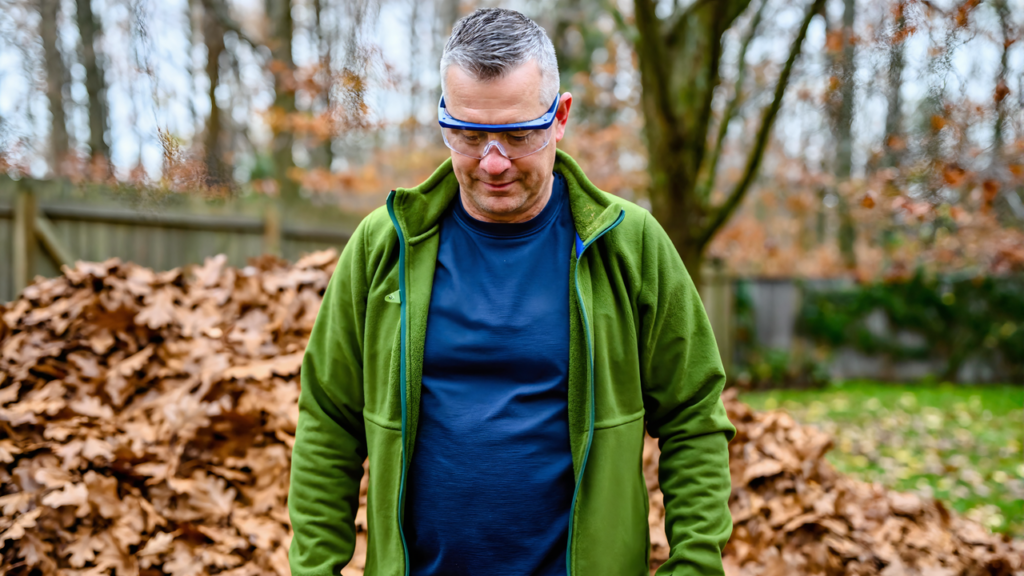
A corneal abrasion is a scratch or scrape on the surface of the cornea, the clear front window of your eye, according to the American Academy of Ophthalmology (AAO) Corneal Abrasion and Erosion page, which says a small one “probably will heal in 1 to 2 days” and a larger one may take about a week. The American Family Physician review of corneal abrasions describes the typical patient as someone with an eye injury in their history who then feels a foreign body sensation, tears up, and finds light uncomfortable. Our Covington, LA services page lists evaluation, examination, and treatment of eye injuries, and walk-in hours are 7 AM to 7 PM daily.
Corneal abrasion at a glance
- Common causes: fingernails, makeup brushes and tree branches top the list on the AAO corneal abrasion page, along with rubbing your eye and having very dry eyes.
- Signs: the feeling that something is stuck in your eye, red, painful, watery eyes, blurry or hazy vision, and being extra sensitive to light, per that same AAO Corneal Abrasion and Erosion page.
- Healing: most uncomplicated corneal abrasions heal in 24 to 48 hours, according to the AFP corneal abrasion review.
- Emergencies: for a chemical splash, the MedlinePlus Corneal injury page says to immediately flush the eye with water for 15 minutes, then quickly take the person to the nearest emergency room (Poison Control’s steps are in the emergency section below). If it’s a medical emergency anywhere in Covington or on the Northshore, call 911.
- Price check: on our pricing and insurance page, $130 buys a self-pay office visit, and any prescribing of medication, exams, and referrals come with it.
What is a corneal abrasion, and how common is it?
The cornea is the clear, front window of the eye, and the AAO corneal abrasion page explains why a scratch there hurts so much: “there are hundreds of times more pain receptors in our cornea than there are in our skin.” The Merck Manual Consumer Version page on corneal abrasions (full review September 2026) names scratches and foreign bodies as the most common injuries to the corneal surface and says about a quarter of people who come to an emergency department with eye pain have a corneal abrasion.
The American Family Physician corneal abrasion review puts corneal abrasions at 8 percent of the eye problems that show up in primary care, and ranks them among the eye conditions emergency departments see most often. A July 2026 American Family Physician article on evaluating the painful eye estimates that eye pain accounts for 4.6 million outpatient and 1 million emergency department visits annually in the United States.
What does a scratched eye feel like?
Eye pain, a feeling that something is stuck in your eye, and tearing lead the symptom list in the AAO First Aid Guide: How to Heal a Scratched Eye, which says a scratch to the cornea can bring more severe symptoms such as blurry vision, sensitivity to light, and headache. That AAO guide also notes, “You might have symptoms right away or the symptoms may start or get worse hours after the injury.”
The MedlinePlus Corneal injury page adds eye pain or stinging and burning in the eye, redness of the eye, swollen eyelids, and watery eyes or increased tearing. In kids, the American Academy of Pediatrics HealthyChildren.org Eye Injury symptom checker says the main symptoms of a corneal abrasion are severe eye pain, tearing and constant blinking, and that some children will just hold their eye closed.
What should you do right after you scratch your eye?
Rinse, blink, and keep your hands off it, says the AAO First Aid Guide for eye scratches, and its do’s and don’ts break that down:
- Do rinse your eye with saline solution or clean water.
- Do blink, since blinking can help get rid of small bits of dust or sand.
- Do pull your upper eyelid over your lower eyelid since the lower lashes may be able to brush away anything caught underneath.
- Do wear sunglasses if light bothers the scratched eye.
- Don’t rub your eye, because rubbing can make the scratch worse.
- Don’t touch your eye with fingers, cotton swabs or other objects.
- Don’t wear your contact lenses, which will slow the healing process and could cause complications, like contact lens-related infections.
- Don’t use redness-relieving eye drops, which can be painful with an eye scratch and won’t help you heal any faster.
Location matters on the MedlinePlus Eye foreign object in page, which says that if the object is on the colored part of the eye, DO NOT attempt to remove it, and that anyone who has been hammering, grinding, or could have come in contact with metal fragments should skip any removal and go to the nearest emergency room immediately.
Is something still in your eye, or is it just the scratch?
Sometimes the culprit is already gone, and the AAO scratched eye first aid guide explains, “The object that caused the scratch may be gone even though you still feel like something is in your eye.” The AAO’s Recognizing and Treating Eye Injuries page calls sand, dirt or dust in the eye usually not an emergency, but warns that metal, glass or other man-made materials can become embedded in the surface of the eye.
That same AAO eye injuries page says to see a doctor or go to the emergency room as soon as possible if you can’t get the particles out of your eye, or if it still feels like something’s in your eye after the material is out. According to the MedlinePlus foreign object page, an eye may still feel scratchy after an eyelash or other tiny object comes out, which should go away within a day or two; ongoing discomfort or blurred vision is a reason to get medical help.

When is a scratched eye an emergency?
Call 911 for any medical emergency.
Chemical splash: the Poison Control guide for poisons splashed in the eye says to remove contact lenses and irrigate with lots of room temperature water for at least 15 to 20 minutes, letting the water hit the bridge of the nose and run gently into the eyes. After rinsing, that Poison Control page points you to its webPOISONCONTROL tool or your poison center at 1-800-222-1222, If irritation, pain, visual problems, redness, swelling, or tearing persist an hour after irrigation is started, that Poison Control page says you’ll need an urgent eye exam at an urgent care center or emergency room right away, unless an eye doctor can see you immediately, and if the symptoms are severe, it says to go straight to an emergency room after irrigating. The AAO eye injuries page likewise says to immediately flush the eye with plenty of clean water and seek emergency medical treatment right away.
Cut or punctured eye: the AAO Recognizing and Treating Eye Injuries page says to gently place a shield over the eye (the bottom of a paper cup taped to the bones around the eye works), and not to rinse with water, remove objects stuck in the eye, or rub or press on it, then to get emergency medical help once the eye is protected.
Warning signs: that AAO eye injuries page lists these as signs of a possibly serious eye injury that need medical help right away: ongoing pain in the eye; trouble seeing; a cut or torn eyelid; one eye that does not move as well as the other; one eye that sticks out of the eye socket farther than the other; an unusual pupil size or shape; blood in the clear part of the eye; and something in the eye or under the eyelid that tears and blinking can’t remove.
The July 2026 AFP painful eye article, written for family physicians, adds that “A painful eye with vision loss, severe photophobia, proptosis, hyphema, or corneal ulceration is a medical emergency.” And after a hit to the eye, the AAO injuries page says a black eye, pain or visual disturbance, even after a light blow, means you should immediately contact your ophthalmologist or emergency room.
Can urgent care treat a corneal abrasion?
Ours lists it by name: the clinic’s urgent care services page includes “Eye/ear evaluation and irrigation”, which covers eye injuries and eye and ear infections with evaluation, examination, and treatment, plus prescribed medication if needed. That same services page says the clinic sends off specialist referrals based on what each patient needs.
The AAO’s Avoid These Holiday Eye Hazards article says an ophthalmologist, primary care doctor, or school nurse should examine the injured eye as soon as possible, even if the injury seems minor at first. The AFP corneal abrasion review says corneal abrasions are commonly encountered in primary care, and the July 2026 AFP painful eye article calls eye pain a common presentation in outpatient, urgent care, and emergency settings.
The AFP review says referral is indicated for a penetrating eye injury, significant vision loss, a corneal infiltrate or ulcer, or symptoms that worsen or fail to improve. The AAO goes further in its scratched eye guide, saying it’s important to see an ophthalmologist right away for a corneal abrasion, and that the emergency room is the place to go if you’re in a lot of pain, are having any trouble seeing, or are worried about your eye.
How do clinicians generally check for a scratch?
The steps below describe a general exam from medical references, not the equipment at any one clinic, so call ahead if you’d like to know what a visit here includes. The AFP corneal abrasion review says that after fluorescein staining of the cornea, an abrasion will appear yellow under normal light and green in cobalt blue light. The same AFP review says the upper eyelid should always be everted (flipped) to detect foreign bodies, and that visual acuity should be documented. The MedlinePlus Corneal injury page says tests may include a standard eye exam and a slit lamp examination.
Searching urgent care near me for an eye injury?
If you’re in Covington, Mandeville, Madisonville, Abita Springs or Folsom, our home page sums up the visit: no appointment needed, the same hours every day (7AM to 7PM, weekends included), and X-ray and lab testing on site. Like to plan ahead? The services page notes that walk-ins are accepted, though you can also ask for an appointment.
Do you need antibiotic eye drops for a corneal abrasion?
The AFP corneal abrasion review says that although evidence for the use of topical antibiotics in an uncomplicated corneal abrasion is lacking, they are usually prescribed with the rationale of preventing superinfection. Antibiotics are specifically called for, according to that review, when the abrasion came from a foreign body, from contact lens use, or from an injury involving infectious or vegetative matter, and the review adds that “Ointments are thought to provide better lubrication than solutions, resulting in increased comfort and healing.”
Hold off on drugstore drops, too: the AAO First Aid Guide says “It’s important not to use any eye drops without first asking a doctor.” That guide also notes, “There are no over-the-counter eye drops specifically for eye scratches.” For pain, the AFP review says acetaminophen and other oral pain relievers such as NSAIDs may be sufficient, and that artificial tears can be used liberally for comfort. Numbing drops are a different story: that AFP review says topical anesthetics should not be prescribed, since using them again and again can hide worsening symptoms, slow wound healing, and be toxic to the surface layer of the cornea.
Should you patch a scratched eye?
The AFP review advises against patching an uncomplicated corneal abrasion, explaining that a patch doesn’t ease the pain and could slow healing. A Cochrane review of eye patches for corneal abrasion reached a similar conclusion: “Patching probably does not speed up healing and may not have an important effect on pain relief.” The AFP review notes ophthalmologists may still prescribe patching for large abrasions (greater than 10 mm) or for patients who might keep rubbing their eyes, such as children.
How long does a corneal abrasion take to heal?
Can a scratched eye heal on its own? Sometimes, according to the AAO First Aid Guide, which says most corneal abrasions and eye scratches are minor and will heal on their own in a few days, but it’s always a good idea to see a doctor for an eye exam. The AAO corneal abrasion page says a small abrasion probably will heal in 1 to 2 days and a larger one may take about a week, while the AFP review says most uncomplicated corneal abrasions heal in 24 to 48 hours. The Merck Manual consumer page gives a shorter estimate for big ones, saying even large corneal abrasions tend to heal in 1 to 3 days, versus the AAO’s about a week for a larger abrasion.
Surface-only corneal injuries usually heal very quickly with treatment, per the MedlinePlus Corneal injury page, which tells you to check back with your provider when 2 to 3 days of treatment haven’t made it better. On follow-up, the AFP review says follow-up in 24 hours is indicated for larger abrasions (greater than 4 mm), contact lens-related abrasions, and diminished vision.
Why does my eye hurt again in the morning weeks later?
That can be corneal erosion, and the AAO Corneal Abrasion and Erosion page says corneal erosion pain may start suddenly, often when you first wake in the morning. That AAO page adds that your eyes get dry while you sleep, and your eyelid might stick to the cornea. A past corneal abrasion is on that AAO page’s list of things that make corneal erosion more likely.
What’s different if you wear contact lenses?
The AFP corneal abrasion review says that in people who wear contact lenses, the eyes are often colonized with Pseudomonas aeruginosa and other gram-negative organisms, and that after a corneal abrasion, bacterial superinfection can rapidly progress to perforation of the cornea and permanent vision loss. That review says contact lens-related abrasions should be treated with antipseudomonal topical antibiotics and should not be patched.
The Merck Manual consumer page says abrasions related to contact lenses, or contaminated with soil or vegetable matter such as a tree branch, are more likely to become infected. The AAO’s Eye Infections From Contact Lenses page says keratitis is the most common eye infection from wearing contact lenses and adds, “Also, never sleep in your contact lenses.” The MedlinePlus Corneal injury page notes that treatment for corneal injuries may involve not wearing contact lenses until the eye has healed.
Why do eye scratches happen during holiday decorating and yard work?
Decorating a tree in Mandeville or trimming bushes in Folsom this month? The AAO’s Avoid These Holiday Eye Hazards article warns, “Pine needles can poke your eyes as you reach in to hang an ornament and tree branches can snap back and hit your face.” That AAO article also says glitter can scratch the cornea, so don’t rub your eyes or use your fingers to remove it; try artificial tears, sterile eyewash, or a saline solution instead.
The AAO’s Eye Safety at Home page says about half of all eye injuries happen right at home, that only about three out of 10 people wear protective eyewear during home projects that could hurt their eyes, and that wearing protective eyewear can reduce your risk for eye injury by 90 percent. The AAO corneal abrasion page recommends safety goggles or other eye protection when mowing the lawn and trimming bushes, and when cutting wood and steel. Shopping for a pair? The AAO Safety Glasses page says to choose protective eyewear with ANSI Z87.1 marked on the lens or frame, and that every household should have at least one pair of ANSI-approved protective eyewear.
Which eye injury needs which kind of care?
We built this table ourselves from the pages credited in each cell; no single source publishes it as a chart.
Table sources: AAO First Aid Guide: How to Heal a Scratched Eye, AAO Recognizing and Treating Eye Injuries, MedlinePlus Eye foreign object in, and Poison Control, Splashed a poison in your eye. If your red, irritated eye isn’t tied to an injury at all, our pink eye treatment guide covers conjunctivitis.
What does an eye injury visit cost at Total Health?
Self-pay visits are $130, per our clinic’s self-pay pricing and insurance page, which folds any prescribing of medication, plus exams and referrals, into that price, and it recommends phoning ahead with questions on out-of-pocket pricing if you want an accurate estimate. Paying with coverage? That page says most major health insurance is accepted, with billing sent straight to the insurance companies.
What’s the best urgent care near Abita Springs or Folsom for a scratched eye?
We’d look for a clinic that’s open every day, sees walk-ins, posts its prices, and names eye injuries among its services, the way our services page does. Our home page calls Total Health independent and nurse-practitioner founded, with transparent self-pay rates and the same hours daily, weekends included. That page also welcomes patients from Folsom, Abita Springs, Covington, Madisonville, Mandeville, Franklinton, St Benedict, plus everywhere else across St. Tammany Parish.
Corneal abrasion questions we hear
Sometimes, according to the AAO First Aid Guide: How to Heal a Scratched Eye, which says most corneal abrasions and eye scratches are minor and will heal on their own in a few days. That guide adds that it’s always a good idea to see a doctor for an eye exam.
The AAO Corneal Abrasion and Erosion page says a small abrasion probably will heal in 1 to 2 days and a larger one may take about a week. The American Family Physician review says most uncomplicated corneal abrasions heal in 24 to 48 hours.
Not for a simple scratch, per the American Family Physician corneal abrasion review, which says patching is not recommended for uncomplicated corneal abrasions because it does not improve pain and has the potential to delay healing. A Cochrane review found patching probably does not speed up healing.
None made for scratches, says the AAO First Aid Guide, which states there are no over-the-counter eye drops specifically for eye scratches and that you shouldn’t use any eye drops without first asking a doctor. It also says redness-relieving drops won’t help you heal any faster.
Not while it heals, per the AAO First Aid Guide, which says wearing your contacts will slow the healing process and could cause complications, like contact lens-related infections. The MedlinePlus Corneal injury page lists not wearing contact lenses until the eye has healed as part of treatment.
Go if you’re in a lot of pain, having any trouble seeing, or worried about your eye, per the AAO First Aid Guide. The AAO Recognizing and Treating Eye Injuries page also calls for emergency help after a cut or puncture or a chemical splash. For a medical emergency, call 911.
Yes, since our services page covers eye injuries, along with eye and ear infections, through evaluation, examination, and treatment, and it adds prescribed medication if needed. Our pricing and insurance page puts a self-pay office visit at $130, and our home page lists hours of 7AM to 7PM every day, weekends included.
Coming over from Madisonville, Folsom, Abita Springs or Mandeville? Suite A at 73015 Hwy 25 is our spot in Covington (ZIP 70435), and our home page puts it by the intersection of Hwy 190 and Hwy 25, a short way north of downtown. Questions before you come? Our number is (985) 400-5370, and the contact page takes messages too.
You’re reading a corneal abrasion guide from Total Health Urgent Care News, a page of clinic updates and health information from our Covington, Louisiana clinic. Think of it as general health education rather than personal medical advice. Today, Jennifer Duncan, APRN, MSN, FNP-C, runs Total Health as owner, per our About page. She founded the clinic after 25-plus years of emergency and urgent care medicine, according to our home page. If you have a medical emergency, call 911.