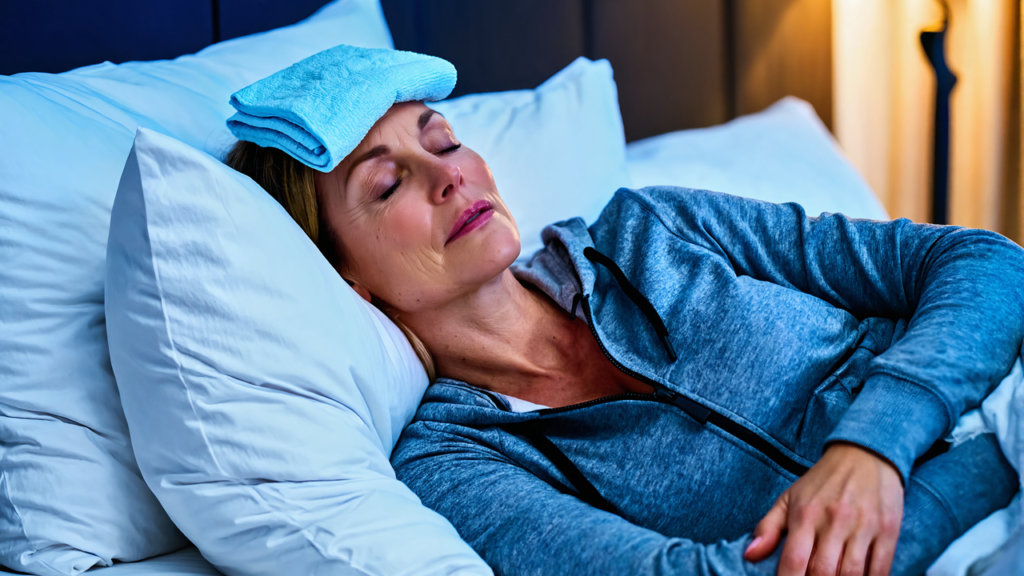
For quick migraine relief, the MedlinePlus Managing Migraines at Home page says to treat your symptoms right away, since that “may help make the headache less severe”, and it lists resting in a quiet, dark room, placing a cool cloth on your head, and drinking water. Over-the-counter pain medicines are often helpful when a migraine is mild, that page adds. If an attack won’t break, our Covington, LA clinic is open daily, weekends included, from 7AM until 7PM, per our home page.
Migraine relief at a glance
- What it is: the MedlinePlus Migraine encyclopedia article calls a migraine a type of headache that may occur with nausea, vomiting, or sensitivity to light and sound, and says the headaches usually last 4 to 72 hours.
- First steps at home: a quiet, dark room, a cool cloth, water, and an over-the-counter pain medicine such as acetaminophen, naproxen, ibuprofen, or aspirin when the migraine is mild, per the MedlinePlus home care page for migraines.
- When to call 911: the MedlinePlus Migraine article says to call for the worst headache of your life, a headache that starts suddenly, or speech, vision, or movement problems or loss of balance, especially if you haven’t had these symptoms with a migraine before. More warning signs, including fever with a stiff neck, are in the emergency section below. Anywhere in Covington or across the Northshore, treat a medical emergency as a 911 call.
- Our IV option: our TOTAL DRIP menu prices Migraine Madness at $175 on the IV therapy page in Covington, which lists magnesium, vitamin B, a pain reliever, and one liter of fluids.
- Office visit price: $130 self-pay on our pricing and insurance page, and the exam, referrals, plus any prescribing of medication all fall under that price.
What’s a migraine, and how long can it last?
The MedlinePlus Migraine article says migraine headaches usually start as a dull ache and get worse within minutes to hours, feel throbbing, pounding, or pulsating, are worse on one side of the head, and last 4 to 72 hours. After the headache fades, the Cleveland Clinic migraine overview says the postdrome stage usually lasts for a few hours up to 48 hours, with symptoms that feel similar to an alcohol-induced hangover.
According to the NINDS Migraine page, only some people with migraine have an aura, and auras appear about 10 minutes to an hour before the actual episode and usually last no more than an hour. The aura symptoms NINDS lists include vision changes, trouble speaking, tingling in the hands or face, and confusion.
The World Health Organization headache disorders fact sheet (updated 24 October 2025) says headache disorders affect approximately 40% of the population, or 3.1 billion people in 2021, and that migraine ranked third in overall neurological disease burden that year. Closer to home, the American Migraine Foundation’s Facts About Migraine page describes migraine as a common disease that affects 39 million Americans.
What helps migraine relief at home?
Darkness, quiet, cool cloths, fluids, and rest are the core home remedies, and they’re the same steps the MedlinePlus Managing Migraines at Home page recommends when symptoms begin:
- Drink water to avoid dehydration, especially if you have vomited
- Rest in a quiet, dark room
- Place a cool cloth on your head
- Avoid smoking or drinking coffee or caffeinated drinks
- Avoid drinking alcoholic beverages
- Try to sleep
The Cleveland Clinic migraine page adds resting in a dark, quiet, cool room, applying a cold or warm compress or washcloth to your forehead or behind your neck, massaging your scalp, and pressing your temples in a circular motion. If you use ice, the Cleveland Clinic article on 11 migraine remedies says not to leave the cold compress or a heating pad on for more than 15 minutes. The NHS migraine page, written for the UK, also suggests sleeping or lying down in a darkened room and staying well hydrated.
Does caffeine help or hurt?
The MedlinePlus migraine home care page lists avoiding coffee or caffeinated drinks among its steps for when migraine symptoms begin, while the American Migraine Foundation’s Top 10 Migraine Triggers page says many people find their migraine symptoms are heightened after consuming caffeine or alcohol, and other people say a cup of coffee can stop their migraine symptoms. That AMF page adds that some medications designed to fight migraine pain may contain a dose of caffeine. Because those two sources lean different ways, notice how caffeine affects your own attacks and ask your provider.
Can ibuprofen bring relief from a migraine?
Ibuprofen is among the first-line options for mild to moderate migraine attacks, per the 2018 AFP review of acute migraine treatment, which says strong evidence supports acetaminophen and oral NSAIDs such as aspirin, diclofenac, ibuprofen, and naproxen as first-line treatments for mild to moderate attacks. A 2025 American Family Physician review, Acute Migraine Headache: Treatment Strategies, states that “Nonsteroidal anti-inflammatory drugs are first-line treatment for mild to moderate migraine.” That 2025 review says triptans are first-line treatment for moderate to severe migraine, and that opioids or butalbital-containing medications should be avoided except in refractory cases.
The 2026 American Family Physician summary of International Headache Society guidelines says abortive medications are most effective when taken early in the headache phase, and that most medications, including triptans and NSAIDs, are not effective when taken during migraine aura. From across the Atlantic, the NHS migraine page (UK guidance) says to take painkillers as soon as your headache starts.
Over-the-counter medicines carry risks too. The MedlinePlus migraine home care page warns that aspirin, naproxen, and ibuprofen can irritate your stomach. The MedlinePlus acetaminophen drug page says taking too much acetaminophen can cause liver damage, sometimes serious enough to require liver transplantation or cause death, and that you shouldn’t take more than one product that contains acetaminophen at a time. For kids and teens, the MedlinePlus aspirin drug page says to ask a doctor before you give aspirin to your child or teenager, because aspirin may cause Reye’s syndrome in children and teenagers, especially if they have a virus such as chicken pox or the flu. Read the label, and ask a pharmacist or provider what dose is right for you.
How often is too often for migraine painkillers?
The MedlinePlus Managing Migraines at Home page says rebound headaches are headaches that keep coming back, that they can occur from overuse of pain medicine, and that taking pain medicine more than 3 days a week on a regular basis can lead to them. The American Migraine Foundation’s medication overuse headache page sets the line by drug type: simple analgesics, including NSAIDs, on 15 or more days per month, and triptans, ergot alkaloids, combination analgesics, or opioids on ten or more days per month. Since the sources count it differently, talk with a provider if you’re reaching for pills most weeks.
Migraine, tension headache, or sinus headache: which is it?
Where it hurts and how it feels are useful clues, based on how MedlinePlus describes each headache type: a migraine is usually throbbing and worse on one side, while a tension headache is dull and pressure-like. We built the table below ourselves from two MedlinePlus pages; it’s not a chart MedlinePlus publishes.
Table sources: MedlinePlus Migraine and MedlinePlus Tension headache.
For sinus pain, the American Migraine Foundation’s migraine or sinus headache page says studies show that about 90% of self-diagnosed sinus headaches are actually migraine attacks. The ENT Health sinus headaches page from the American Academy of Otolaryngology says sinus headache is not a medical diagnosis but rather a description of symptoms, and that people with migraines or tension headaches commonly have sinus and nasal symptoms during their headaches. That ENT Health page links sinusitis with nasal congestion or obstruction and a thick nasal discharge, and if that sounds like you, our sinus infection treatment guide covers sinus infection care at our clinic.
What triggers migraines around the holidays?
The American Migraine Foundation’s holiday migraine guide says “Changes in sleep, skipped meals, increased stress, travel, and bright decorations can all contribute to migraine attacks.” The guide suggests going to bed and waking up at similar times each day, even during vacation, carrying a refillable water bottle, and eating balanced meals every 3 to 4 hours.
Vincent Martin, MD, professor of clinical medicine at the University of Cincinnati College of Medicine and director of the Headache and Facial Pain Center at the Gardner Neuroscience Institute, told University of Cincinnati News in its tips to avoid holiday headaches that many patients “will have worsening headaches with the colder weather that occurs around the holidays.” He also pointed to very large swings in barometric pressure during the winter, and recommends moderating alcohol and sweets and trying to keep a consistent schedule.
The AMF Top 10 Migraine Triggers page fills in the rest:
- Stress is a trigger for almost 70% of people with migraine.
- About 1/3 of people with migraine say dehydration is a trigger.
- Storms, excessive heat and changes in barometric pressure are common weather-related triggers.
- People with migraine often blame red wine, but studies show other types of alcohol are just as likely, and sometimes more often, the culprit.
- An irregular sleep schedule makes you more prone to migraine attacks, and nearly half of all migraine attacks occur between 4:00am and 9:00am.
So for holiday weeks in Covington and Mandeville, the AMF holiday guide boils down to two habits: keep a refillable water bottle with you, and keep your bed and wake times steady.

When is a migraine an emergency?
If this is a medical emergency, dial 911 now. The MedlinePlus Migraine article tells readers to phone 911 or their local emergency number when they’re experiencing the worst headache of their life, when a headache starts suddenly, or when they have speech, vision, or movement problems or loss of balance, especially if those symptoms haven’t come with a migraine before.
The American College of Emergency Physicians patient guide called Headache, part of its Know When to Go series, lists these reasons to seek emergency care:
- The headache is accompanied by high fever, confusion, stiff neck, prolonged vomiting, slurred speech or numbness or weakness, especially on one side of the body.
- Headache medication does not relieve chronic or excruciating pain.
- Head pain prevents eating or drinking, making one susceptible to dehydration or malnutrition.
- You experience major side effects to medication, such as severe drowsiness, sedation or nausea and vomiting.
- The nature, frequency or severity of the headache changes, or the pain feels different from pain associated with previous headaches.
- You experience a sudden, severe headache with no known cause, which may indicate stroke (a non-traditional symptom).
The NINDS stroke signs and symptoms page counts a sudden severe headache among stroke warning signs and says to call 9-1-1 immediately if symptoms appear suddenly, including trouble speaking or trouble understanding speech, trouble seeing in one or both eyes, dizziness or loss of balance or coordination, a severe headache with no known cause, or numbness or weakness of the face, arm, or leg, especially on one side of the body. Its F.A.S.T. test checks for face drooping, arm drift, and slurred or strange speech.
If you can’t see your provider right away, the MedlinePlus Headaches danger signs page advises heading to an emergency room or calling 911 for reasons that include a headache that gets worse over 24 hours, a headache with fever, stiff neck, nausea, and vomiting, a headache that occurs with a head injury, and new headaches, especially if you’re older than 50. For an attack that drags on, the NHS migraine page, writing for the UK, advises asking for an urgent GP appointment or getting help from NHS 111 if a migraine attack has lasted longer than 72 hours, if aura symptoms last longer than 1 hour at a time, or if you’re pregnant or just had a baby.
Can urgent care help with a migraine?
Our Covington urgent care services page doesn’t name headaches as a service, but it does list nausea care with an evaluation, an exam, prescribed medication, and a plan of care, plus vomiting care that can add labs if needed and prescribed medication with IV fluids if needed. A $130 self-pay office visit covers the exam, any prescribing of medication, and referrals, per our pricing page, and the services page says we send referrals off to specialists depending on each patient’s need.
In general, the MedlinePlus migraine home care page says a health care provider may have prescribed medicines to stop a migraine that come as a nasal spray, rectal suppository, or injection instead of pills, and that other medicines can treat nausea and vomiting. The 2025 AFP acute migraine review recommends antiemetics and ergot alkaloids as second-line agents and in cases of refractory migraine. Those two sources describe migraine care in general, so ask us when you call or walk in what a visit here can include.
Searching urgent care near me during a migraine?
Our home page invites you to walk in seven days a week between 7AM and 7PM, and it says no appointment is needed. Got a question first? Our office answers at (985) 400-5370. Any warning sign from the emergency section above means calling 911 instead.
Which urgent care near Mandeville or Abita Springs is best for a migraine?
Our checklist would be daily hours, walk-in visits, published prices, and an IV menu that names every ingredient. Our pricing page posts the $130 visit, our IV therapy page lists the ingredients and price of each drip, and our About page names Madisonville, Mandeville, St Benedict, Abita Springs, Folsom, Franklinton, and Covington as communities on our service list.
What does the Migraine Madness drip include?
The $175 Migraine Madness drip includes magnesium, vitamin B, a pain reliever, and one liter of fluids, according to our TOTAL DRIP IV menu, which describes the drip in its own words: “This drip provides pain relief mixed with vitamins and mineral hydration to tackle the madness of your migraine headache.” Two $50 add-ons sit on the same menu: Pain & Inflammation (Decadron, Toradol) and Nausea (Phenergan, Zofran). That IV page welcomes walk-ins, so an appointment isn’t required, and it says you can also call or message us through the contact form and our office will help you make an appointment. Our IV therapy cost guide covers what each drip costs.
Here’s what those add-on medicines are, from MedlinePlus drug pages:
- Toradol (ketorolac): the MedlinePlus ketorolac injection page says ketorolac is in a class of medications called NSAIDs, and that it should not be used for longer than 5 days, for mild pain, or for pain from chronic (long-term) conditions.
- Decadron (dexamethasone): the MedlinePlus dexamethasone injection page says it’s in a class of medications called corticosteroids. Separately, the 2018 AFP Acute Migraine Headache review says parenteral corticosteroids, such as intravenous dexamethasone, can be considered to help decrease headache recurrence.
- Phenergan (promethazine): the MedlinePlus promethazine page lists treating nausea and vomiting among its uses.
- Zofran (ondansetron): the MedlinePlus ondansetron page says it works by blocking the action of serotonin, a natural substance that may cause nausea and vomiting.
The American Headache Society’s Top 10 Things to Know About Infusions for Headache says IV infusions for migraine or headache can be given in a hospital’s emergency department, inpatient, or outpatient infusion center, in an outpatient private practice headache center, or in the patient’s home, and it names magnesium, ketorolac, ondansetron, normal saline, and dexamethasone among IV medications evaluated for headache. That page also cautions that infusions shouldn’t be used as a regular method of treatment too often, since overuse of certain medicines, such as steroids and ketorolac, can be very dangerous. Before any IV vitamin therapy, the Cleveland Clinic article on IV vitamin therapy recommends talking with your regular healthcare provider, and advises avoiding it if you’re seeing a provider for pregnancy, kidney disease, high blood pressure, or heart disease.
Is the drip the same as an ER migraine cocktail?
The ingredient lists differ. In the American Headache Society’s 2025 ER migraine guideline overview, IV prochlorperazine and greater occipital nerve blocks carry Level A recommendations for emergency department care, while the guideline makes hydromorphone a Level A must not offer treatment. The Migraine Madness ingredient list on our IV menu doesn’t include prochlorperazine or a nerve block. If you have any of the emergency signs above, head to an ER or dial 911 instead of booking a drip.
Thinking about supplements for prevention? The NIH Office of Dietary Supplements magnesium fact sheet says the American Academy of Neurology and the American Headache Society concluded that magnesium therapy is probably effective for migraine prevention, and because the typical preventive dose exceeds the upper limit, it should be used only under the direction and supervision of a health care provider.
Migraine relief questions we hear
Usually 4 to 72 hours, according to the MedlinePlus Migraine encyclopedia article. The Cleveland Clinic migraine overview adds that the postdrome stage afterward usually lasts a few hours up to 48 hours.
Probably, per the NIH Office of Dietary Supplements magnesium fact sheet, which says the American Academy of Neurology and the American Headache Society concluded magnesium therapy is probably effective for migraine prevention. The same fact sheet says the typical preventive dose exceeds the upper limit, so use it only under a health care provider’s direction and supervision.
Timing matters, per the 2026 American Family Physician summary of International Headache Society guidelines, which says abortive medications are most effective when taken early in the headache phase and that most medications, including triptans and NSAIDs, are not effective when taken during migraine aura. The MedlinePlus Migraine article says to call 911 for speech, vision, or movement problems, especially if they’re new with your migraines.
For mild to moderate attacks, generally yes, since the 2018 American Family Physician acute migraine review names ibuprofen among the oral NSAIDs that strong evidence supports as first-line treatments. The MedlinePlus migraine home care page cautions that ibuprofen, aspirin, and naproxen can irritate your stomach.
No, because our IV therapy page welcomes walk-ins. That page also says you can call (985) 400-5370 or message us through the contact form, and our office will help you make an appointment.
It might be, per the American Migraine Foundation page on migraine or sinus headache, which says studies show about 90% of self-diagnosed sinus headaches are actually migraine attacks. The ENT Health sinus headaches page calls sinus headache a description of symptoms rather than a medical diagnosis.
Heading over from Folsom, Abita Springs, Mandeville, or Madisonville? Our home page locates Total Health a little north of downtown Covington, near where Hwy 25 crosses Hwy 190, at 73015 Hwy 25, Suite A (ZIP 70435). The front desk answers at (985) 400-5370, and you can also write to us from the contact page.
Total Health Urgent Care News carries this migraine relief guide; it’s the page our Covington, Louisiana clinic uses for clinic updates and health information. The guide is general health education, so please read it that way rather than as advice for your own care. Jennifer Duncan, APRN, MSN, FNP-C, appears as owner on our About page, which puts her background in emergency and urgent care medicine past the 25-year mark. Our home page calls her the founder. In an emergency, dial 911.