

Quick answer: Heat exhaustion and heat stroke are two stages of the same problem, but only one is a true emergency. Heat exhaustion brings heavy sweating, cool clammy skin, weakness, and nausea, and it usually improves with rest, shade, and fluids. Heat stroke is a life threatening emergency marked by a very high body temperature and confusion or altered mental state. If you suspect heat stroke, call 911 right away. Knowing the difference matters during a Louisiana Northshore summer, when Covington heat and humidity push the body hard.
At Total Health Urgent Care in Covington, we treat heat related illness, dehydration, and minor summer injuries seven days a week. This guide explains the warning signs, what to do at each stage, and when a walk in visit makes sense, all grounded in guidance from the CDC and the American Red Cross.
What is the difference between heat exhaustion and heat stroke?
Heat exhaustion is the body struggling to cool itself after heavy fluid and salt loss, while heat stroke is the cooling system failing entirely. According to the CDC, the clearest red flag for heat stroke is a change in mental state, such as confusion, slurred speech, or fainting, paired with a very high body temperature. Heat exhaustion is uncomfortable but rarely dangerous if you cool down quickly. Heat stroke can cause organ damage within minutes and is always a 911 emergency.
What are the warning signs of heat exhaustion?
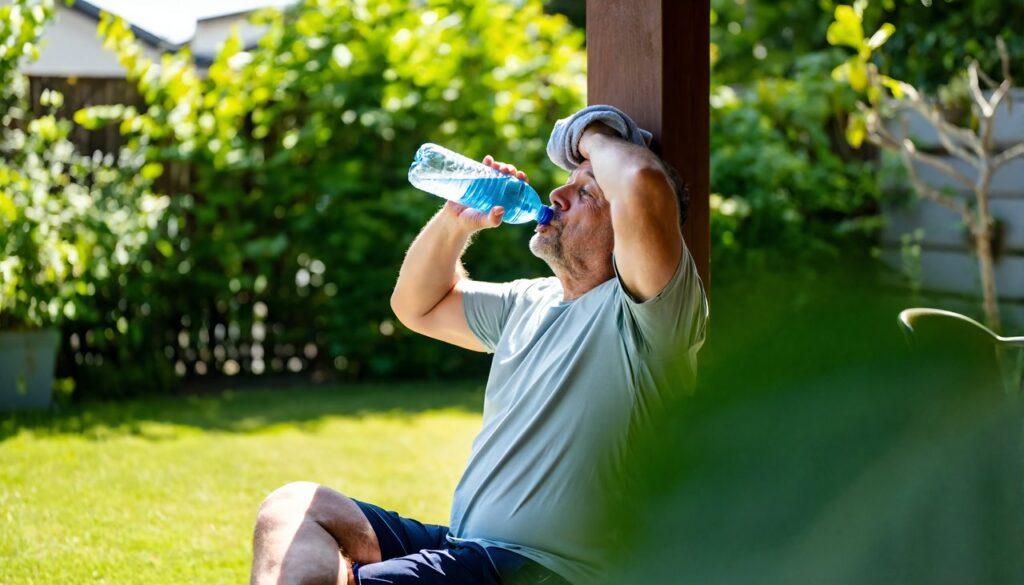
Heat exhaustion usually builds over time during heavy activity in the heat, and catching it early prevents it from progressing. The CDC lists heavy sweating, cool and clammy skin, a fast and weak pulse, nausea or vomiting, muscle cramps, tiredness, dizziness, headache, and fainting. If you feel several of these after time outdoors in Covington or along the Northshore lakefront, stop, get into shade or air conditioning, and start cooling down. Most people recover within 24 to 48 hours with rest and fluids.
What are the signs of heat stroke?
Heat stroke is a medical emergency, so the goal is to recognize it fast and act. Warning signs from the CDC include a body temperature of 103°F or higher, hot skin that may be dry or sweaty, confusion or strange behavior, slurred speech, a throbbing headache, a rapid strong pulse, and loss of consciousness. Call 911 immediately. While help is on the way, move the person to a cooler place, remove extra clothing, and cool them with wet cloths, a cool bath, or ice packs to the neck, armpits, and groin. Do not give fluids to someone who is confused or not fully awake.
How do you treat heat exhaustion at home?
For heat exhaustion, the first steps are simple and effective when you start early. Move out of the heat, loosen tight clothing, and rest. Sip cool water or a drink with electrolytes, and place cool wet cloths on the skin or take a cool shower. The CDC notes that staying hydrated is key, and that light yellow or clear urine is a good sign you are drinking enough. Limit sugary, caffeinated, and alcoholic drinks, which can worsen dehydration. If symptoms get worse, last longer than an hour, or include repeated vomiting, it is time to get medical care.
When should you visit urgent care for dehydration or heat illness?
An urgent care visit makes sense when heat exhaustion will not improve with rest and fluids, but the person is alert and stable. Come in if you cannot keep fluids down, feel persistently dizzy or weak, have a pounding headache, or simply are not bouncing back after cooling off. At Total Health Urgent Care, we can check your vitals, run on site lab work, and provide intravenous fluids to rehydrate you quickly when sipping water is not enough. If there is any confusion, fainting, or a very high temperature, skip the clinic and call 911, because that points to heat stroke.
Many Northshore families also ask about IV hydration after a hot day outdoors. Our TOTAL DRIP infusion menu includes a Hydration Help drip designed to replace lost fluids, and our team can recommend the right option during your visit.
How can you stay safe during Northshore July 4th events?
Independence Day weekend brings big outdoor crowds to the Northshore, from Mandeville’s lakefront celebration to Madisonville’s riverfront gathering, often during the hottest part of the year. To enjoy the day safely, the CDC recommends drinking plenty of fluids before you feel thirsty, taking breaks in the shade, wearing light loose clothing, and using sunscreen of SPF 15 or higher. Watch children and older adults closely, since they overheat faster.
Fireworks are the other summer hazard. The American Red Cross advises cooling a minor burn under cool running water, never using ice or butter, and covering it loosely. Seek medical care for burns that blister, are larger than a few inches, or involve the hands, face, or feet. If you pick up a minor burn, sprain, or laceration during the festivities, our Covington team treats these injuries with on site X-ray when needed, no appointment required.
Frequently asked questions
The CDC identifies a core body temperature above 104°F, combined with confusion or altered mental state, as a sign of heat stroke. This is a 911 emergency that needs immediate cooling and medical care.
With prompt rest, cooling, and fluids, most people feel better within 24 to 48 hours. If you are not improving after a day, or cannot keep fluids down, see a medical provider.
Yes. Total Health Urgent Care can provide intravenous fluids on site to rehydrate you quickly when oral fluids are not enough, along with vitals checks and lab work to make sure nothing more serious is going on.
Children and older adults are at higher risk because their bodies regulate temperature less efficiently. The CDC advises watching them closely in the heat and never leaving a child in a parked car, even briefly.
Our Covington clinic is open seven days a week, 7 AM to 7 PM, with walk ins welcome. For current holiday hours, call us at (985) 400-5370 before you head over.
Get care close to home on the Northshore
If a hot Northshore day leaves you or a family member feeling sick, you do not have to drive far. Total Health Urgent Care sits at 73015 Hwy 25, Suite A in Covington, just minutes from Madisonville, Abita Springs, and Mandeville, and we are open seven days a week from 7 AM to 7 PM. We offer walk in visits, on site X-ray and lab testing, and IV hydration, with transparent self pay pricing. Learn more about our urgent care services, browse the full list of conditions we treat, or get directions and contact us before your visit.
For a medical emergency, including suspected heat stroke, call 911. This article was prepared by the Total Health Urgent Care team; the clinic was founded by Jennifer Duncan, APRN, MSN, FNP-C. General heat illness guidance is drawn from the CDC and the American Red Cross.